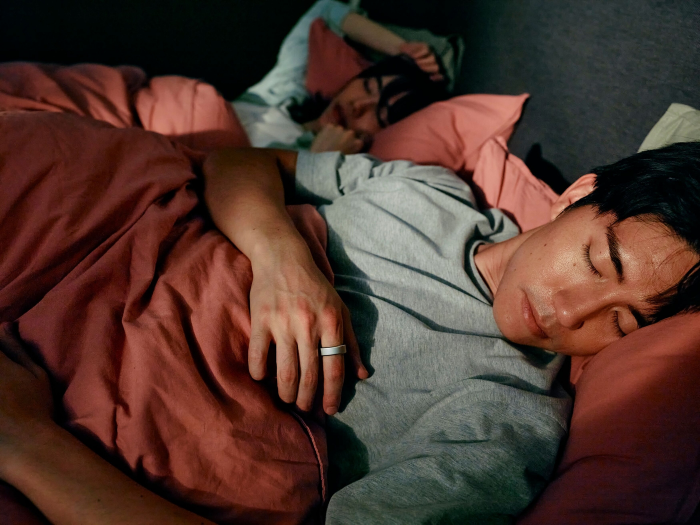
There’s a unique coldness to the space between two people lying in the dark, pretending to be asleep. It’s a silence that’s louder than shouting, a stillness charged with unspoken resentment. Every couple knows this dead zone, this emotional no-man's-land that follows a fight. The temptation to just succumb to exhaustion, to let the argument fade into the oblivion of sleep and hope for a sunnier morning, is immense. It feels like the path of least resistance.
But what if that path is a trap? The age-old advice, “Don’t go to bed angry,” isn’t just a quaint platitude from our grandparents. It’s a stark warning, one that modern science is beginning to validate with unsettling clarity. When you close your eyes on a wave of unresolved anger, you aren’t just postponing a conflict. You are actively embedding that negativity into the very architecture of your mind, installing a toxic script that becomes harder to erase with every passing night.
The Unguarded Threshold of the Mind
As you begin to drift off, your brain enters a strange and powerful borderland between worlds: the hypnagogic state. It’s a fluid, dreamlike space where your conscious, logical mind, the vigilant sentry that guards your thoughts, begins to stand down. Your brainwaves slow, shifting from the sharp, alert beta waves of the day to the gentle, rolling alpha and theta waves of deep relaxation.
This is the moment the gates to your subconscious swing wide open. In this highly suggestible state, the emotions you are marinating in don't just sit on the surface; they sink in, bypassing the critical filters that would normally question them. When that dominant emotion is anger, bitterness, or contempt for your partner, you are giving it an all-access pass to the core of your operating system. You are essentially telling your brain, "This is important. Record this. This feeling of discord is the reality of this relationship."
How Sleep Cements a Grudge
This isn't just psychological theory; it's a neurological process. A groundbreaking study published in Nature Communicationsexposed the hidden mechanics of what happens when we sleep on negative emotions. Researchers at Beijing Normal University trained participants to associate neutral images with a negative experience. One group was then tested on their ability to suppress that negative association after a short, wakeful break. The other group was tested after a full night of sleep.
The results were chilling. The group that slept found it significantly harder to shake off the negative feeling. MRI scans revealed precisely why. During sleep, the brain hadn't just rested; it had been hard at work, reorganizing the memory. The fresh, raw emotional memory had been transferred from the hippocampus (the brain's short-term 'scratch pad') and permanently encoded into the prefrontal cortex, the home of your long-term identity and beliefs.
Choosing Connection Over Corrosion
This is why the hard work of reconciliation before sleep is not just important; it's essential. The temporary discomfort of staying up to reconnect is a small price to pay to avoid the long-term project of trying to excavate a trauma you willingly installed.
Finding peace doesn't always mean solving the entire problem. It means ending the emotional war for the night. It’s about consciously choosing connection over corrosion with a few powerful acts of emotional intelligence:
- Declare a Ceasefire. If you're both too heated to think straight, call a truce. "I'm too angry to talk about this well right now, and I know you are too. Can we take twenty minutes and then come back together, not to win, but to understand?" This isn't avoidance; it's strategy. It allows the flood of cortisol and adrenaline to subside so you can speak from a place of reason, not reaction.
- Hunt for Understanding, Not Victory. The goal isn't to prove you're right. The goal is to understand why your partner feels the way they do. Put down the phone, turn towards them, and ask the most powerful question in a conflict: "Help me understand." When someone feels genuinely heard, their defenses crumble, and connection becomes possible.
- Reaffirm the Team. You can agree to disagree for the night while reaffirming the fundamental alliance. "Look, we're not seeing eye-to-eye on this yet, but we are a team. I love you, and that's more important than this argument. Let's sleep on that and tackle the problem together tomorrow." This simple statement changes the entire emotional channel.
- Bridge the Physical Divide. Anger creates distance. Touch closes it. The simple act of reaching for a hand or offering a hug releases oxytocin, the "bonding hormone," which is the biological antidote to fear and anger. It's a silent, powerful message that says, "I'm still here. I still choose you."
The Legacy of Your Nights
Every night offers a choice. You can allow the corrosion of anger to slowly eat away at the foundation of your relationship, building a monument to past grievances. Or you can do the brave, difficult work of connection, building a resilient and deeply secure partnership.
The next time you find yourself in that cold, silent standoff in the dark, remember what is truly at stake. It isn't about who wins the argument. It's about what you are programming into your mind and what kind of future you are building, one night at a time.